Crafting Your Unique Travel Photography Style: Tips to Stand Out
Travel photography offers an exciting opportunity to capture the essence of different places, cultures, and people. It’s a way to tell compelling stories through images, and your own unique style can set your work apart. Whether you’re just starting out or have been traveling with a camera for years, creating your own travel photography style is essential to stand out and make your images more memorable. Here are key tips for developing and refining your approach to travel photography.
1. Find Your Own Style
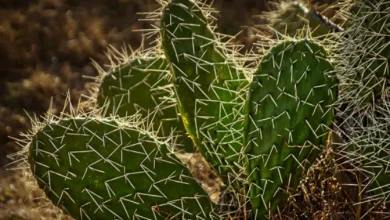
One of the most important aspects of travel photography is discovering a style that resonates with you. This involves experimenting with different techniques, compositions, and subjects until you find what feels right. Pay attention to the elements in your surroundings that draw you in—whether it’s the play of light, a subject’s emotion, or the unique textures of a landscape.
The key to crafting your travel photography style is practice. You’ll need to spend time shooting and experimenting to figure out what works best for you. Sometimes, the process of figuring out what you don’t like is just as valuable as discovering what you do. A strong and consistent style will help your portfolio feel cohesive, no matter where you’re shooting.
2. Build Human Connections
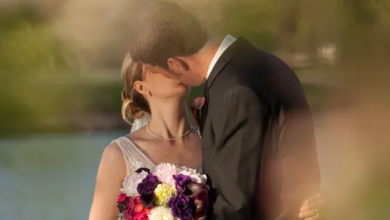
Capturing authentic human moments can elevate your travel photos and help you tell deeper stories. It’s not just about photographing faces; it’s about connecting with people and capturing their essence. Approaching your subjects with kindness and curiosity can lead to more intimate and meaningful shots.
For portrait-oriented travel photography, try to build a quick but genuine rapport with your subject. This doesn’t always mean chatting for hours, but rather creating a moment of trust and connection. Natural, candid shots often convey the most emotion. If you’re photographing people, consider asking them to share a bit of their story before snapping the shot. This can lead to a more intimate image that goes beyond a simple portrait.
3. Plan Your Shots
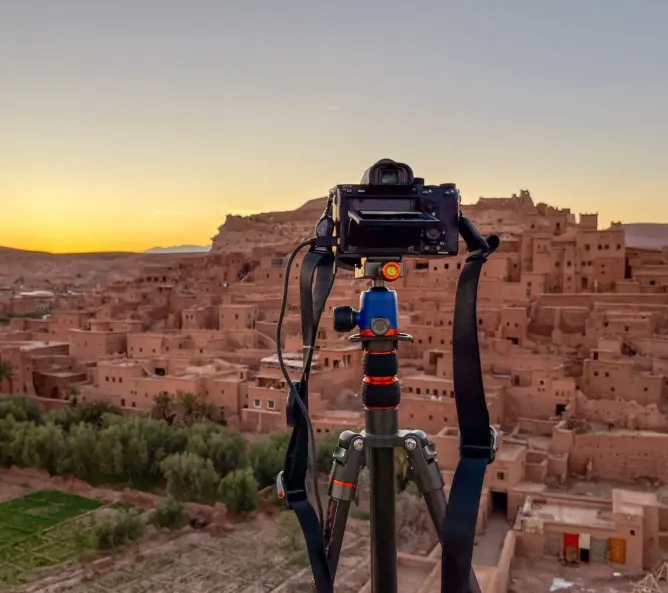
Preparation is key when it comes to travel photography. While it’s important to leave room for spontaneity, having a plan can help ensure you don’t miss that perfect shot. Research your destination, look up the best locations, and make note of the optimal times for shooting—whether it’s early morning light, golden hour, or night photography.
When photographing busy cities like Mumbai or Hanoi, I often prefer shooting at night to avoid crowds and capture the city in a different light. While it’s always good to have a shot list or theme in mind, it’s also important to stay open to new possibilities as you explore. Keep your eyes open for the unexpected!
4. Seek Out Hidden Gems
To set your work apart, venture beyond the typical tourist spots. Seek out lesser-known locations or find hidden angles that give a fresh perspective on familiar landmarks. This approach allows you to capture more authentic moments and create images that tell a unique story.
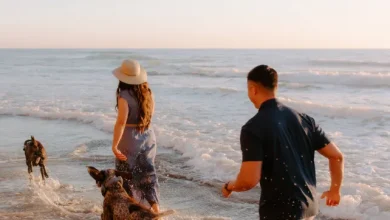
For example, early morning is an excellent time for capturing quieter, more peaceful scenes. During a trip to California, I woke up early due to jetlag, and the quiet beach portraits I took at that hour turned out to be some of my favorites. The soft morning light and serene atmosphere provided a completely different vibe than a mid-day shot would have.
5. Master Light and Shadow
The interplay of light and shadow is crucial in shaping the mood and drama of your photos. Experiment with different lighting conditions, such as the soft glow of early morning or the dramatic shadows of sunset. Understanding how to use light creatively can make your photos stand out and add depth to your work.
Golden hour and blue hour are excellent times to capture dynamic lighting effects. But don’t shy away from shooting at night, where you can use artificial light to create unique looks. I enjoy using off-camera lighting during my nighttime photography projects to have more control over the scene, especially when shooting in areas with unpredictable natural light.
6. Keep Your Edits Subtle
Post-processing is an essential part of creating a compelling final image, but it’s important to avoid over-editing. Keep your edits subtle, focusing on enhancing the natural beauty of the scene. Editing should be used to refine your photos, not to drastically change them.
When editing travel photos, aim for authenticity. If you overdo the saturation or apply heavy filters, you risk making the images look unnatural. Instead, focus on small tweaks to adjust contrast, brightness, or white balance to bring out the best in your photos while maintaining their original feel.
Conclusion
Building a travel photography style that’s uniquely yours is a rewarding journey. It’s about finding what resonates with you, connecting with the people you meet, and capturing the world through your own lens. As you develop your skills, remember that every shot is an opportunity to learn and improve. The more you shoot, experiment, and refine your techniques, the more you’ll find your own photographic voice.
So, the next time you head out to explore a new destination, take your time to connect with the surroundings, experiment with different perspectives, and allow your unique style to emerge. Your travel photos won’t just capture moments—they’ll tell stories that reflect your personal journey and the world you see.