6 Essential Tips for Capturing Stunning Close-Up Photos
Close-up photography offers a unique perspective, allowing you to highlight intricate details that may go unnoticed in wider shots. Whether paired with broader landscape images or standing alone, close-ups have the power to tell compelling stories through their intimate focus on small subjects.
What Exactly is Close-Up Photography?
Close-up photography involves capturing subjects at a magnification ratio between 1:1 and 1:10, meaning the image projected onto the camera sensor is smaller than the subject’s actual size. In contrast, macro photography captures subjects at a 1:1 ratio or larger. While close-up photography is often seen as a subset of macro photography, it’s a valuable genre that many photographers incorporate into their portfolios, as it helps develop a personal connection with the subject.
1. Develop a Relationship with Your Subject
The key to great close-up shots lies in how well you connect with the subject. Whether you’re photographing flowers, insects, or architectural details, taking the time to understand the subject’s features and significance is crucial. When you engage with your subject, you’re able to communicate its story through the lens. Ask yourself: what draws you to this subject? Without understanding the “why” behind the photo, your shot may lack depth and impact.
2. Find Your Focal Point
Every compelling close-up photo has a strong focal point that grabs the viewer’s attention. It could be the color of a flower, the texture of a rock, or a gesture that conveys emotion. The challenge lies in making this focal point stand out in your composition. Consider factors like light, contrast, and angle to highlight your subject effectively. Don’t be afraid to experiment with different perspectives and light conditions to discover the best way to make your subject shine.
3. Experiment with Different Lenses
While close-up photography doesn’t necessarily require specialized macro lenses, selecting the right lens can make a significant difference. Each lens has a minimum focusing distance, so it’s essential to know how close you can get to your subject. For example, a 50mm lens might allow you to capture intimate street shots, while a telephoto lens offers the advantage of capturing close-up details from a distance, perfect for nature or portrait photography. Explore different lenses to see how each one complements your subject matter.
4. Use a Tripod for Stability
Close-up photography is particularly sensitive to camera shake, which can lead to blurry images. To ensure sharp, detailed photos, invest in a reliable tripod. A tripod stabilizes your camera, preventing small movements from ruining your shot, especially in low-light conditions where you can’t use a fast shutter speed. Whether you’re using a lightweight tripod for outdoor shots or a sturdier model for studio work, the added stability will enhance the quality of your images.
5. Leverage Depth of Field
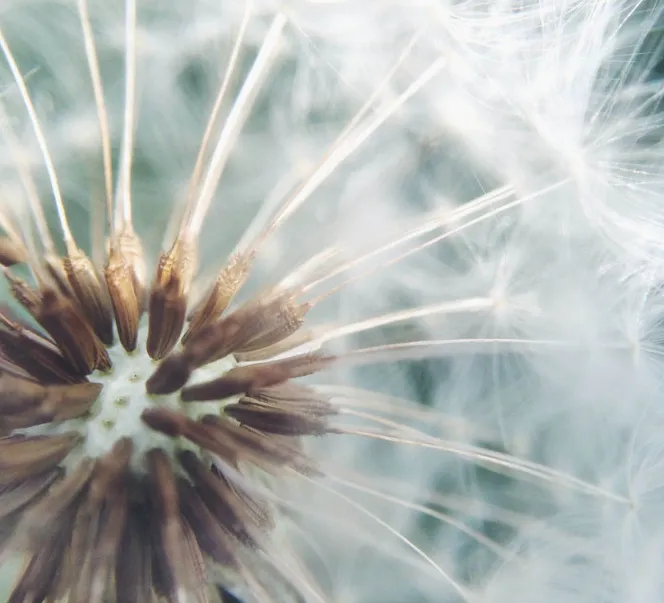
A shallow depth of field is often a characteristic of close-up photography, with only a small part of the subject in sharp focus while the rest of the frame fades into a blurred background. This effect can help isolate your subject and eliminate distractions. However, if the depth of field is too narrow, you might not capture enough of the subject in focus. To adjust, try using a smaller aperture, stepping back slightly, or using a longer lens to increase your depth of field.
6. Make Use of Negative Space
Negative space refers to the empty or less detailed areas of an image, which help emphasize the subject. In close-up photography, negative space can be especially effective. For instance, a flower’s center may be the focal point, while the surrounding petals provide the negative space. By incorporating negative space into your compositions, you prevent your images from feeling cluttered and ensure that the viewer’s attention is drawn to the most important elements.
In Conclusion
Close-up photography challenges you to connect with your subjects in new ways, helping you see details you might otherwise overlook. It may take time and practice to master, but the rewards are worth the effort. By understanding your subject, experimenting with lenses and techniques, and paying attention to composition, you’ll be able to create close-up images that tell powerful stories and capture the beauty in the smallest of things.