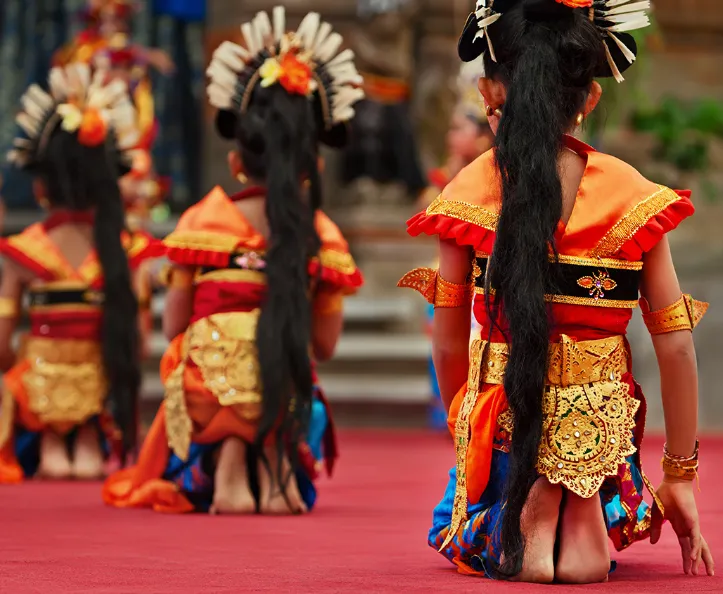
5 Key Tips for Photographing Cultural Events with Respect
Photographing cultural events can be a rewarding experience, but it requires a great deal of respect and sensitivity. Whether you’re capturing a local festival or attending a traditional ceremony, it’s essential to approach these moments with awareness and care. Here are five tips to help you document cultural events in a respectful and thoughtful manner.
1. Educate Yourself About the Event
Before attending any cultural event, take the time to learn about its significance and any relevant customs. Understanding the history, symbolism, and rituals involved will help you approach the event with respect. It’s also important to familiarize yourself with any specific rules or protocols for participating, such as dress codes or expected behavior. For instance, attending an Indigenous event may require you to wear long pants and avoid photographing sacred rituals, while attending a Muslim event might necessitate covering your shoulders and head.
Additionally, take care to learn the proper terminology. Referring to traditional attire as “costumes” can be highly disrespectful—terms like “regalia” for Indigenous attire are more appropriate. Doing this shows your respect for the culture and its practices.
2. Remember You’re a Guest
As a photographer, it can be tempting to get caught up in the excitement of capturing every moment. However, it’s crucial to remember that you are a guest at the event, not the focus. The event is for the participants, not for your photography. Always prioritize the experience and the respect for the people around you over getting the perfect shot. Avoid being disruptive or intrusive—this includes not pushing your way to the front or making people uncomfortable for a better angle. Respectful photographers are always invited back.
3. Follow the Rules
Respect the guidelines set by the event organizers, especially when it comes to photography. If the organizers ask that you stay behind a specific line, or if certain moments are off-limits for photography, honor those requests. For example, many Indigenous ceremonies prohibit photos during sacred moments like prayers or smudging. Sneaking photos or violating these rules is disrespectful, and even if you manage to get a good shot, sharing it can be deeply hurtful to the community.
In some cases, there may be restrictions on flash photography for safety reasons—especially if dancers or performers are involved. Flash can be distracting or disorienting, which could lead to accidents.
4. Obtain Permission
It’s always a good idea to ask for permission before photographing at a cultural event. For events where photography may be restricted, or if it’s a private gathering, you’ll need to confirm with the organizers whether photography is allowed. Even at public events, some individuals may not want their photos taken, so always be observant and considerate. If someone signals that they don’t wish to be photographed, respect their wishes and refrain from taking their picture.
For example, during a Whirling Dervish ceremony I attended in Turkey, cameras were strictly prohibited. While it was disappointing at first, I ultimately appreciated the opportunity to experience the event fully without the distraction of a camera. Sometimes, the best way to immerse yourself in the culture is by simply being present in the moment.
5. Engage and Make New Connections
Photography can be a fantastic way to connect with people, but it’s equally important to engage with those around you. Don’t isolate yourself behind your camera—take time to interact and learn from the participants. Making new friends at cultural events can enrich your experience, and you may discover new perspectives that add depth to your understanding of the event. Building relationships with people from different cultures opens doors to meaningful conversations and a greater appreciation for their traditions.
By following these five tips, you can ensure that your photography not only captures beautiful moments but also reflects the respect and sensitivity that cultural events deserve. These practices will help you develop meaningful connections with the communities you photograph and make for a more enriching experience for everyone involved.