3 Simple Ways to Enhance the Quality of Your Photos
Improving the overall quality of your photos doesn’t always require purchasing expensive gear. Instead, focusing on a few key areas in your photography process can make a significant difference. Here are three tips that can elevate the quality of your images without the need for new equipment.
1. Achieve Correct Exposure
One of the first steps to improving your image quality is understanding exposure and how to achieve the right balance in-camera. Incorrect exposure, whether underexposed or overexposed, can result in issues like blown highlights or excessive noise in the image.
The exposure triangle is a critical concept to master. It involves understanding the relationship between aperture, shutter speed, and ISO. Additionally, using tools like the histogram helps you ensure the exposure is correct for each shot. Learn how to use your camera’s settings based on the lighting conditions and scene you’re photographing, whether that’s using manual mode or adjusting exposure compensation.
2. Ensure Sharpness in Your Images
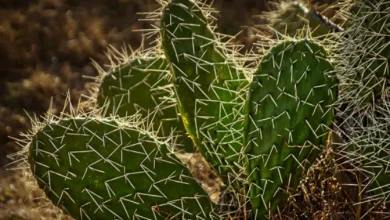
Sharpness is crucial for producing high-quality photos, but it’s an area where many photographers struggle, even at intermediate levels. Several factors can affect the sharpness of an image, such as improper focus, camera shake, or using the wrong settings. To achieve sharper photos, take the time to check a few things before shooting:
- Is your lens in good condition and free of dust or damage?
- Are you holding the camera steady, or should you use a tripod for added stability?
- Have you set the correct shutter speed based on the lighting conditions and subject movement?
For low-light situations, don’t avoid using a tripod just because it feels cumbersome. Properly supported shots with a tripod will yield much sharper images compared to hand-held shots at high ISO settings. Learning how to use the appropriate gear for your situation is essential, and that doesn’t always mean expensive equipment—just the right tools for the job.
3. Master the Use of Light
In photography, light is everything. The quality, direction, and intensity of light can completely transform an image, so learning to harness it is key. A fascinating subject may not be as compelling if the light doesn’t enhance it, so always prioritize light when composing your shots.
Start by observing how light interacts with your subjects throughout the day. Whether it’s the softness of early morning light, the drama of a backlit scene, or the deep shadows cast by harsh midday sunlight, light can dramatically influence the mood and effectiveness of your photos. Be patient and wait for the right light to illuminate your subject in the best way possible.
Mastering light involves being more aware of how it changes in different settings, whether indoors or outdoors, and how it affects the mood and depth of your photos. Walk around your subject and notice how the light shifts as you change your angle. Once you understand how to work with light, you can use it to your advantage to create images that stand out.
By focusing on these three areas—getting the exposure right, ensuring sharpness, and mastering light—you can significantly enhance the overall quality of your photography. These foundational skills don’t require new equipment but instead rely on technique, observation, and practice.