What’s it Really Like Staying in a Hostel?
As a solo female traveler, I often find myself staying in hostels. It’s a choice I make not just for financial reasons but also because it fits the way I prefer to travel. I’m not rich, nor do I always have friends or family ready to accompany me. This means I take to the road alone and try to keep things as budget-friendly as possible. With more than a decade of experience staying in hostels, I’ve learned a lot, and I’m here to share what it’s truly like staying in one.
What’s NOT a Hostel?
When I mention staying in a hostel, I sometimes see older generations recoil. I’ve had family members tell me about the “hostels” they remember—places known for questionable hygiene, dangerous environments, and sketchy characters. These places were far from what we think of today as a hostel; they were more like flop houses or halfway houses, catering to transient, often troubled people.
Modern hostels are a far cry from these places. They’re designed to be welcoming, safe, and fun for all types of travelers, from solo adventurers to groups on a budget.
What’s it Like Staying in a Hostel?
The key to a great hostel experience is picking the right one. Hostels vary widely depending on their style and location, and there’s something out there for everyone. Whether it’s an eco-hostel with environmental enthusiasts or a party hostel filled with youthful energy, you’ll want to choose one that aligns with your travel style.
Here’s a general overview of what you can expect:
Arrival and Check-in: When you arrive, the receptionist is often another traveler who’s working part-time in exchange for accommodation. They’ll usually ask for your passport for identification and give you a map of the city, as well as a rundown of the hostel’s amenities. After checking in, you’re free to explore the place and get familiar with the vibe.
Socializing: Hostels are great for meeting people. You’ll likely find other solo travelers, small groups, or even couples who are also looking to connect. You might spend some time in the common area—whether it’s a living room, rooftop, or courtyard—chatting about your travels and hearing about others’ adventures.
Breakfast: Some hostels offer a simple breakfast, like toast with jam and coffee, while others might go all out with a hot meal including fruit, cereals, and juice. A more hands-on option is the DIY pancake breakfast, where you cook your pancakes from provided batter and syrup. However, in most cases, you’ll need to clean up after yourself.
Kitchen Access: Hostels usually have kitchens that are free for guests to use. Even if you’re not planning to cook, these kitchens can be handy for reheating leftovers or keeping your snacks in the fridge. They’re also a great way to meet fellow travelers—offer to share your meal, and you could make a friend in the process.
Common Areas: A good hostel will have several communal spaces where guests can relax, unwind, and meet others. Whether it’s a cozy living room or a sunny terrace, these areas are perfect for some downtime after a long day of sightseeing or travel.
Organized Activities: Many hostels arrange weekly events like walking tours, pub crawls, or BBQs, which are ideal for making new friends and getting a feel for the local culture.
Amenities: Most hostels offer basic amenities like Wi-Fi, access to computers, and a book exchange. You’ll also get plenty of tourist information to help you plan your days. Some even have bars or cafes on-site.
Who Stays in Hostels?
One of the main benefits of staying in a hostel is the opportunity to meet travelers from all walks of life. From budget backpackers to wealthy individuals who choose hostels for the social experience, everyone is here because they love to travel.
You’ll meet solo travelers, couples, and groups, ranging in age from teenagers to retirees. Personally, I’ve met fellow travelers who have been on the road for years and others who are just starting out. Most hostels tend to attract people in their 20s and 30s, but you’ll find a mix of ages and backgrounds.
There’s also a wide variety of personalities. From night owls who party until the early hours to early risers like me, there’s no shortage of diversity in the hostel community. Whether you click with everyone or just a few people, you’re bound to make connections that can lead to friendships or even future travel buddies.
What Are the Rooms Like?
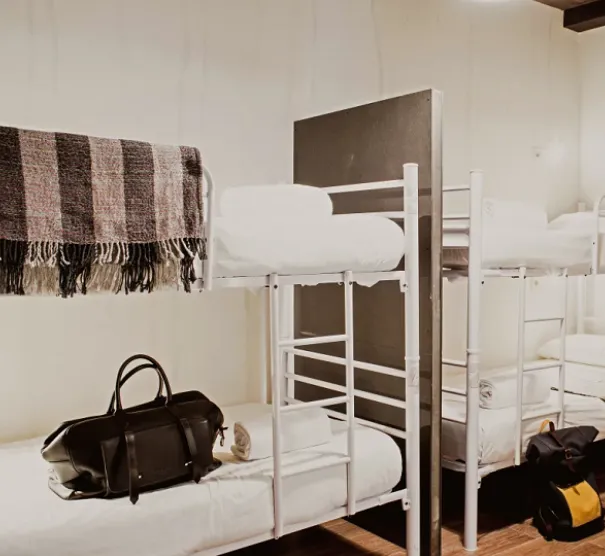
Hostel rooms come in two main types: dormitories and private rooms. Dorm rooms vary in size, with anywhere from four to twelve (or more) beds. Some hostels even have rooms with up to 20 beds, though that’s more common in larger, more budget-friendly options. In these dorms, you’ll find bunk beds, which vary in quality. Some may even have added comforts like a small shelf, power outlets, or privacy curtains.
Private rooms are also available, often with more amenities and more privacy. They’re ideal for those who want a little more solitude but still prefer the social atmosphere of a hostel.
Bathrooms: In most hostels, bathrooms are shared, though some private rooms come with their own ensuite. Showers tend to be in separate male and female areas if they aren’t attached to the room. Towels are often not provided, so be sure to bring your own.
Lockers: Security is key, and most hostels provide lockers for your valuables. You’ll need to bring your own lock, or sometimes you can buy or rent one at reception. Lockers are ideal for storing electronics, passports, or anything you need to keep secure.
Hostel Etiquette and the Ups and Downs
There are pros and cons to staying in a hostel, and it’s not for everyone. Some of the downsides include sharing space with noisy or smelly people and the occasional struggle for a bathroom or a bottom bunk. It’s also important to follow hostel etiquette, like being mindful of quiet hours and cleaning up after yourself.
But the upsides are numerous! Hostels offer drastically lower accommodation costs, making them a fantastic option for budget-conscious travelers. Many offer free breakfast, and the opportunity to meet new people is unparalleled. Plus, access to a kitchen and common areas adds to the sense of community and convenience.
Are Hostels for Everyone?
While hostels offer a unique and affordable travel experience, they’re not for everyone. If you value privacy or prefer quiet, luxury accommodations, a hostel might not be your ideal choice. But for solo travelers, backpackers, and those looking to meet others on the road, hostels provide a fantastic and vibrant environment that allows for both comfort and connection.
With a little bit of flexibility and an open mind, hostels can provide a memorable and rewarding experience—whether it’s your first time or your tenth.