What Is GAS and How to Overcome It as a Photographer
As photographers, we’re often drawn to the latest and greatest gear, but there’s a phenomenon known as Gear Acquisition Syndrome (GAS) that can easily take hold of us. This playful term refers to the compulsive urge to constantly upgrade or expand your photography equipment, often with the belief that the next new camera, lens, or accessory will drastically improve your work. But does it? Let’s explore what GAS is, how it affects photographers, and how you can avoid falling into the trap.
What Is GAS?
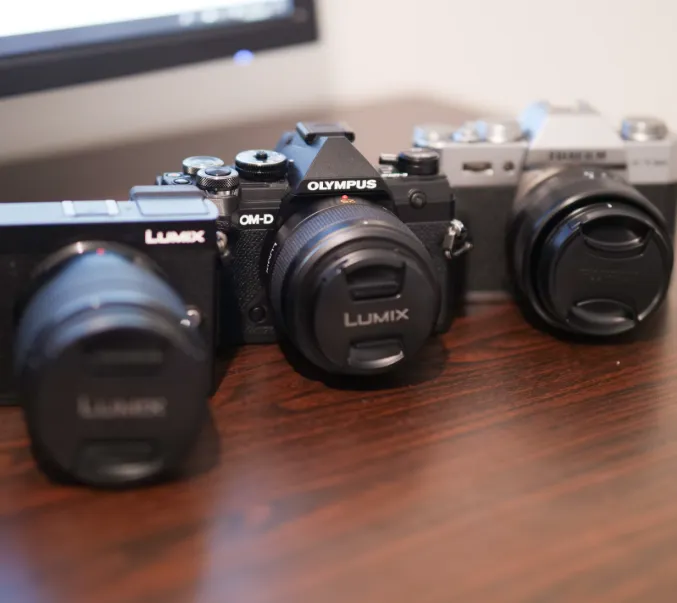
GAS, or Gear Acquisition Syndrome, is the obsession with acquiring more and more photography gear. It’s a bit like retail therapy for photographers: the more equipment you have, the better your photos will be, right? While this isn’t a formal condition, it’s a real issue that can lead photographers to constantly buy new equipment, hoping it will improve their craft.
This desire to own the newest gear isn’t limited to photographers. It can affect anyone whose hobby involves purchasing equipment, from musicians to sports enthusiasts. The psychology behind GAS, as explored by Ph.D. Joshua Sariñana, points to a combination of avoiding fear and seeking reward, which drives us to spend more on gear, hoping that it’ll elevate our skills.
The Dangers of GAS
The biggest danger of GAS is that it shifts your focus from improving your skills to collecting more gear. The misconception is that purchasing the latest camera or lens will make you a better photographer, but that’s not true. The reality is, no amount of gear can replace practice, experience, and knowledge. Your technical skills and creative vision are what truly make a difference in your photography.
In fact, falling into the trap of GAS can lead to frustration. When your images don’t improve, despite all the new gear, you might feel disillusioned and even give up photography altogether. That’s a situation we definitely want to avoid.
While I’m not suggesting you should never buy new gear again, it’s important to be mindful of your purchases. Only buy what you need, not what you’re tempted by. The right equipment in the hands of a skilled photographer will indeed make a difference, but it’s your knowledge and creativity that are the real game-changers.
How to Know If You Have GAS
Wondering if you’re suffering from GAS? Take a moment to reflect on the following questions (all in good fun, of course):
- Do you always pre-order the latest camera model as soon as it’s released?
- Have you upgraded lenses multiple times, from one version to another?
- Have you switched camera brands because you heard one is better for a specific feature, like faster autofocus?
- Do you have multiple lenses that cover the same focal length range?
- Have you bought expensive gear “just in case,” even though you may never use it?
- Do you own specialty equipment (like a fish-eye or tilt-shift lens) that you’ve used once or never used at all?
- Do you find yourself watching gear reviews on YouTube, wishing for the latest equipment?
- Have you bought gear based on a recommendation, but you’re not sure how to use it?
- Do you have unopened gear in storage, still in its box?
- Do you have more than three tripods or camera bags?
- Do you own lights or flashes but aren’t sure how to use them?
If you said “yes” to several of these questions, you might have a touch of GAS. But don’t worry—it’s treatable.
How to Overcome GAS
If you’ve realized that GAS has taken hold, don’t panic. Here are a few steps you can take to get back on track:
- Stop Buying Gear: The first step is to halt any new purchases. Resist the urge to browse camera shops or online stores. Go on a gear-buying freeze.
- Take Inventory: Do a thorough inventory of your current gear. You might discover that you have equipment you’ve never used or haven’t touched in years. Consider selling or donating items that are gathering dust, or, better yet, learn how to use them.
- Learn Your Camera: Familiarize yourself with your camera’s full capabilities. Read the manual or watch tutorials to understand every function. The more you know your equipment, the better you’ll be at using it to its full potential.
- Invest in Knowledge, Not Gear: Instead of buying new equipment, invest in photography courses or workshops to improve your skills. You could take an online class, join a local photography group, or even get a mentor to help you develop your techniques.
- Practice More: Nothing improves your photography like practice. Set aside time to shoot regularly, challenge yourself with new photography genres, and try to learn something new with each session.
- Get Creative: Experiment with the gear you already have. Learn how to use your flash, explore macro photography, or dive into portraiture. The more you explore, the more you’ll learn.
- Join a Photography Community: Connecting with other photographers can help you stay motivated and inspired. Join a local club, attend meetups, or participate in online communities to share your work and learn from others.
When to Buy New Gear
Once you’ve broken free from the cycle of constant gear upgrades, you’ll be able to evaluate your gear purchases more thoughtfully. Before buying something new, ask yourself:
- Is my current gear limiting my creative potential?
- Do I need this new piece of gear to pursue a specific photography genre?
- Will I use this gear regularly, or will it collect dust?
- Can I borrow, rent, or substitute something else to get the job done?
- Can I afford this purchase without financial strain?
If the answers to these questions align with your photography goals and you truly need the gear, then it might be time for an upgrade. But always ensure that your decision is based on your needs, not the latest trend or gear envy.
The Bottom Line
Ultimately, the best way to improve your photography is not by constantly acquiring new gear, but by practicing and expanding your skills. Gear might enhance your work, but it’s your creativity and experience that will truly make a difference. So, focus on learning, practicing, and refining your craft—and save those gear purchases for when they really make sense for your photography journey.