Understanding the Quality of Light and How to Use It for Better Photos
As a photographer, one of the most important elements of your craft is lighting. You’ve likely heard photographers mention “quality of light” often, but do you really understand what it means or how to identify it? In this post, we’ll explore what quality of light is, how to distinguish between different types of light, and how to use each to enhance your photos.
What is Quality of Light?
In photography, the quality of light refers to how the light source interacts with your subject. This is different from the quantity of light, which simply refers to how much light is present in the scene. The quality of light is defined by the size of the light source in relation to the subject. A small light source creates hard lighting, while a large light source produces soft lighting.
For example, although the sun is massive, it appears small to us because of the distance between us and it. This makes it a small light source, and thus creates hard light. On the other hand, light from an overcast sky or a large softbox in a studio is much larger in comparison to the subject, making the light soft and diffused.
Hard Light vs. Soft Light
Understanding the difference between hard and soft light is key to improving your photography.
Hard Light:
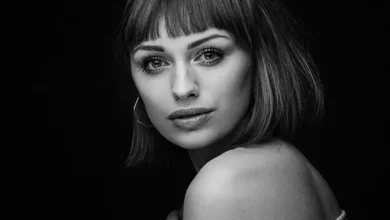
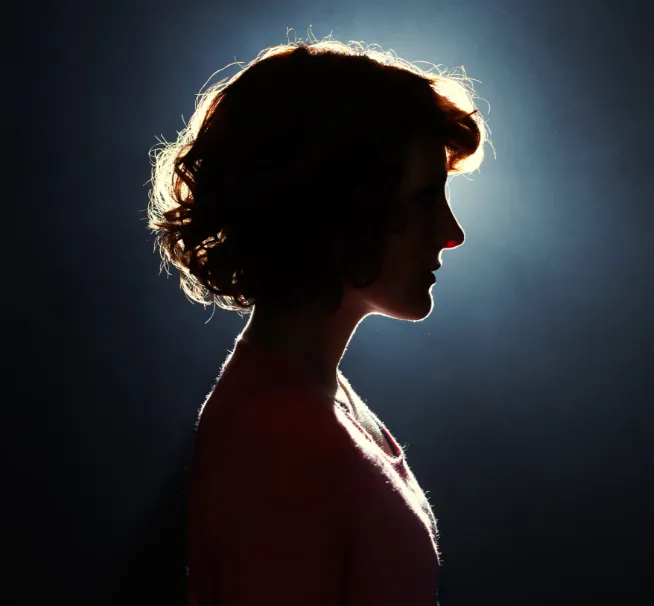
Hard light is produced by small light sources, such as the sun (in relation to its distance from Earth), a bare lightbulb, or even a small flash. It creates strong shadows, high contrast, and well-defined edges. Photographs taken under hard light can have stark contrasts, with bright highlights and deep, dark shadows. While this can work for dramatic effects, it can be unflattering for portraits, as it accentuates features like wrinkles or blemishes.
Hard light is often used to emphasize texture and create mood, especially in fashion or product photography, where sharp contrasts can highlight details and add drama.
Soft Light:
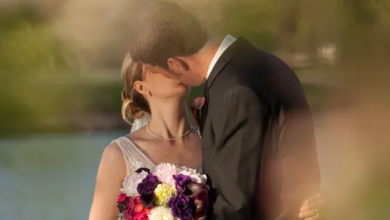
In contrast, soft light comes from larger light sources. On a cloudy day, for instance, the entire sky acts as a giant light source, diffusing sunlight and creating soft, even lighting. Studio lighting setups with large softboxes also produce soft light. In soft light, shadows are gentle or almost nonexistent, and there’s little contrast between light and dark areas. This type of light is much more flattering for portraits, as it smooths out skin textures and softens harsh features.
Soft light is perfect for creating a gentle, flattering mood, making it ideal for portraits or any scene where you want to minimize shadows and enhance details in the midtones.
When to Use Hard Light vs. Soft Light
There’s no definitive rule about which light type is better—it depends on the mood and effect you want to create in your photo.
- If you want to capture more drama, texture, and contrast, hard light is your friend. It’s great for emphasizing details and creating a bold, striking atmosphere.
- For softer, more flattering images, especially in portrait photography, soft light is usually the better option. It creates a smooth look, minimizing imperfections and bringing out a gentle mood.
Here are some examples to help you understand when each type of light works best:
- Soft light can create a dreamy, serene atmosphere, making it ideal for portraits where you want to highlight the subject’s gentle side.
- Hard light can add depth and texture to subjects, especially if you want to emphasize details like wrinkles, fabric texture, or the roughness of a scene.
Lighting for People Photography
When it comes to photographing people, soft light is generally more flattering because it reduces the harshness of shadows and highlights. It gives skin a smoother, more even tone, and is more forgiving of flaws. That’s why soft light is often preferred for portraits.
However, hard light can be effective for creating more dramatic and edgy portraits. If you’re photographing someone with a rugged or textured appearance, hard light can emphasize their features, adding strength and character to the image.
Where to Find Good Light
Good light can be found at almost any time of the day, but knowing where to look and how to make the most of it is essential.
- Golden hour (the period shortly after sunrise and just before sunset) is known for providing the soft, warm light that most photographers love. It’s perfect for portraits and landscapes.
- Cloudy days also offer excellent soft light, as the cloud cover acts as a giant softbox, diffusing sunlight evenly across the scene.
If you’re shooting outdoors during the day, seek shade or shoot under overhangs to avoid harsh sunlight. You can also use reflectors to bounce light onto your subject and soften the shadows.
Conclusion
Understanding the quality of light and how it impacts your photos is a crucial skill for any photographer. Whether you’re working with hard or soft light, knowing when and how to use each type will help you create more dynamic and compelling images. By learning to observe and control light, you’ll be able to elevate your photos and bring your creative vision to life.