Tips for Indoor Lensball Photography
As the colder months approach in the Northern Hemisphere, moving your photography indoors can open up new creative possibilities. One fun and unique way to explore indoor photography is through Lensball photography. This style involves using a glass ball to capture mesmerizing, refracted images, and it’s perfect for still life setups. If you’re looking to refine your skills with a Lensball indoors, read on for some tips to help you make the most of your shots.
What is Lensball Photography?
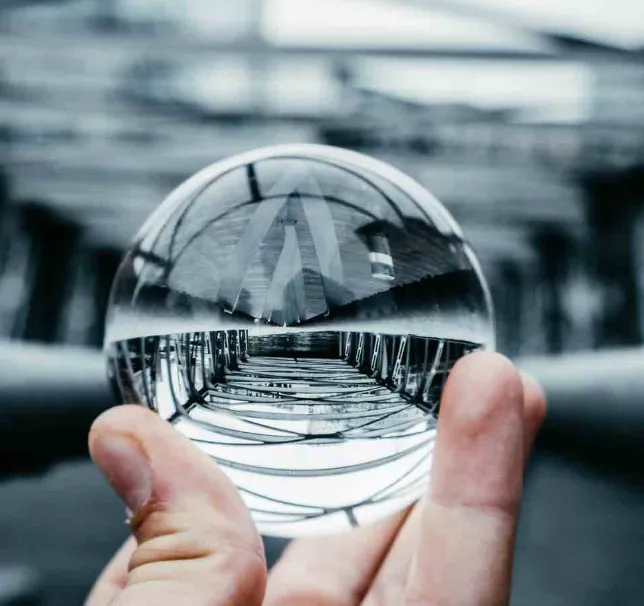
Lensball photography involves photographing a scene through a glass sphere, creating a unique perspective where the background is refracted inside the ball. It’s a great way to add intrigue and depth to your images. While the Lensball is often used for outdoor photography, it’s equally effective for indoor setups, especially when you want to experiment with still life compositions and light painting.
Choosing the Right Subjects for Indoor Lensball Photography
When photographing indoors with a Lensball, you have two main approaches: the ball as the focal point or as part of the composition with another subject. If you want to make the ball the main subject, consider the size of the Lensball. A larger ball can help magnify smaller objects placed behind it, making them appear larger inside the sphere. Alternatively, you can use a smaller subject inside the ball while including other elements in the background to tell a story.
The background is crucial in Lensball photography, especially for still life setups. Experiment with colorful or patterned backgrounds, or try a combination of two colors where the ball intersects, which can produce an intriguing visual effect. The background should complement the subject inside the ball and enhance the overall composition.
Lighting for Lensball Photography
Lighting plays a key role in indoor Lensball photography, especially since the ball is a glass object that reflects light. The goal is to light the background and bounce the light through the ball to create beautiful refractions. If you’re using off-camera flash, position the light so it’s level with the ball and slightly at a 45-degree angle to avoid direct flash reflections in the glass.
For a more dynamic effect, you can experiment with light painting. This works particularly well because the ball acts as a light magnifier, refracting light sources that come from behind it. You can use a range of light sources for painting, such as a flashlight, LED light sticks, or even a smartphone. Be mindful not to paint directly on the ball, as this can result in harsh, unwanted light spots. Instead, focus on illuminating the background to achieve smoother, more artistic lighting.
Setting Up for Light Painting with a Lensball
Light painting with a Lensball indoors requires some careful setup. Here’s a step-by-step guide to getting started:
- Camera & Tripod: Since light painting typically involves long exposure times, make sure your camera is securely mounted on a tripod to avoid motion blur.
- Black Background: Use a black backdrop behind the ball to prevent unwanted background details from showing up in the photo.
- Glass Sheet: Place a sheet of glass on a flat surface. For enhanced reflectivity, use black paper beneath the glass.
- Lensball Holder: Since the Lensball will roll on the glass, make sure to use a holder or create a makeshift one (e.g., a keyring or a staple bent into a square shape) to keep it in place.
- Dark Room: To control the light, work in a dark room or one with minimal ambient light. If natural light is too strong, try shooting at night or with dark blinds to block out external light sources.
Taking the Photo
Once your setup is ready, it’s time to capture the shot. Adjust your camera height to control the amount of reflection visible in the glass. The lower you place your camera, the stronger the reflection effect will be. Play around with different angles to achieve the reflection and lighting that best suits your composition.
For the exposure, aim for 10-30 seconds, depending on how long it takes to complete your light painting. Adjust your aperture and ISO to achieve the right exposure for the light patterns you’re creating.
Conclusion
Indoor Lensball photography opens up a world of creative possibilities, especially if you’re looking to experiment with light and reflections. Whether you’re creating still life compositions or trying out light painting, the Lensball offers a unique way to add a new dimension to your indoor photography. With these tips, you’ll be able to master your indoor Lensball setups and make the most of your time indoors.