Tips for Capturing Better Travel Portraits
When it comes to travel photography, capturing the essence of the place often means including the people you meet along the way. Their stories, culture, and unique personalities help tell a fuller narrative of the location. However, great portraits don’t just happen—they require preparation, thoughtful planning, and some creativity. In this post, I’ll share some key tips for better travel portrait photography, helping you be ready when those perfect moments arise.
1. Understand the Right Time for Portraits
Just like landscape photographers who seek the perfect light during golden or blue hours, the time of day plays a crucial role in capturing great portraits. Early mornings and late afternoons offer softer, more flattering light, creating a warmer, textured look with longer shadows that add depth to your subject. Avoid midday, when the sun is harsh and directly overhead, leading to unflattering shadows and lack of dimension in the face.
If you’re shooting in the middle of the day, try to find some shade or use a doorway to shield your subject from the direct sunlight. Alternatively, a well-placed flash can help fill in the shadows without overpowering the natural light. But remember, the best strategy is to aim for shooting before dawn or just before sunset to make the most of the soft, dynamic light.
2. Gear: It’s About Knowing Your Equipment
While the right gear is important, what matters most is knowing your camera and lenses inside out. You don’t need the latest, most expensive equipment to get great shots. What’s crucial is understanding when to use different lenses and settings to enhance your portraits. A zoom lens offers flexibility, while prime lenses—especially a 50mm—are perfect for sharp, vibrant portraits with beautiful bokeh.
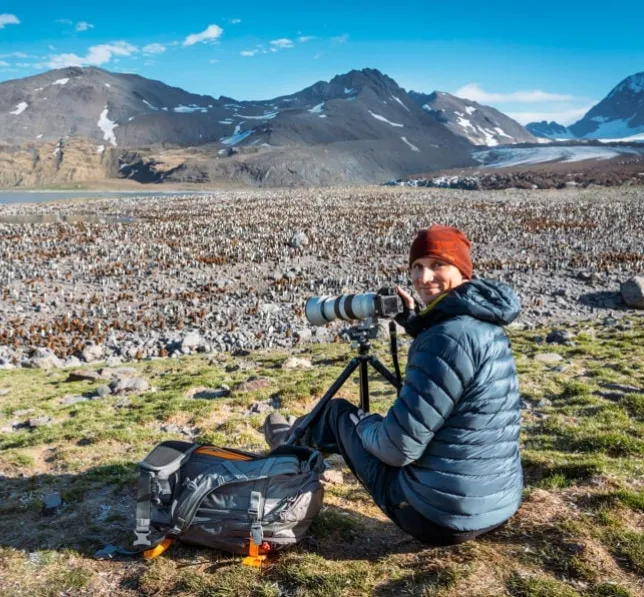
If you’re aiming for environmental portraits, a wide-angle lens is great for capturing your subject within the context of their surroundings. For a more intimate, focused portrait, a telephoto lens helps isolate your subject and minimize background distractions. Know when to use a tripod or add additional lighting like a flash to ensure you’re always ready.
3. Research Your Location and People
Preparation is key to capturing stunning travel portraits. Before you arrive at your destination, spend some time researching the area. Look at online resources, social media, or photography websites to get a sense of what has already been photographed and where the best spots are. Knowing the local culture and any potential challenges—such as people’s comfort with being photographed—will also help.
If possible, hire a local guide or fixer. They can help you navigate cultural sensitivities, arrange for portrait sessions, and even introduce you to interesting subjects. Local knowledge is invaluable, especially in places where photography etiquette may vary, or when you’re trying to shoot in unique locations.
4. Shoot More Than Once
Don’t settle for just one shot. Often, great portraits come from revisiting the same subject at different times or from different angles. Take your time to interact with the subject, make them feel comfortable, and experiment with different compositions. If you’re at a busy event, like a festival or market, try returning at different times of the day. This gives you a chance to capture the changing light and mood of the location.
5. Get Creative with Your Shots
Incorporate your creativity into the shoot. While traditional portrait shots are great, think about how you can add a unique spin. Using a longer exposure to blur the background or playing with shadows can add an artistic touch to your images. Think about the story you want your photo to tell and use lighting, composition, and angle to enhance that narrative.
For example, when photographing a local craftsman or a festival goer, try to capture not just the person but their surroundings. This will add context to their portrait, making the image richer and more telling.
6. Respect Your Subject
Lastly, always remember to respect your subjects, especially in foreign countries. If someone isn’t comfortable being photographed, don’t push it. Make sure to ask for permission and be aware of cultural boundaries regarding photography. In some cultures, people may not want to be photographed, and it’s important to respect that.
In many cases, a small tip or gift in exchange for allowing a portrait can be a nice gesture. This is especially true in cultures where photography is less common or in busy tourist areas where people may want compensation for their time.
Conclusion
Travel portrait photography is about more than just snapping pictures of people—it’s about capturing their essence and the spirit of the place they inhabit. By planning ahead, understanding the right time and light, knowing your gear, and respecting your subjects, you can elevate your travel photography and create images that are not only beautiful but also meaningful. Whether you’re photographing a bustling market in Morocco or quiet moments at dawn in Pushkar, remember: the key is preparation, creativity, and the willingness to capture the world around you with authenticity.