The Rich History of Key West: A Paradise of Eccentricity and Charm
Key West, Florida, holds a special allure for many, attracting those who crave both adventure and tranquility. The tropical atmosphere, coupled with the island’s laid-back vibe and historic significance, makes it an unforgettable destination. But beyond its serene beaches and vibrant nightlife, Key West has a rich and colorful history that contributes to its unique charm.
Key West’s Origins
Historically, Key West has been a place of intrigue, filled with tales of exploration, trade, and cultural convergence. In fact, the island was originally known as “Bone Island” due to the discovery of human remains by early fishermen, who learned that the island had once served as a burial site for ancient indigenous peoples.
The island’s early ownership is a fascinating story of change and confusion. In 1790, it was granted to Don Juan de Estrada, who later sold it to Juan Pablo Salas in 1815. Salas, eager to profit, resold the land twice before ownership was finally solidified in 1828. The transaction involved John Simonton, who was officially recognized as the rightful owner.
Key West’s Founding Fathers
Although four individuals are credited with Key West’s founding, only one—Pardon C. Green—lived there for any extended period. In the early 19th century, Green played a pivotal role in the development of the island, even serving briefly as its mayor. While Green’s contributions were significant, many of the other founding figures never made Key West their permanent home.
Warm Weather and Unique Geography
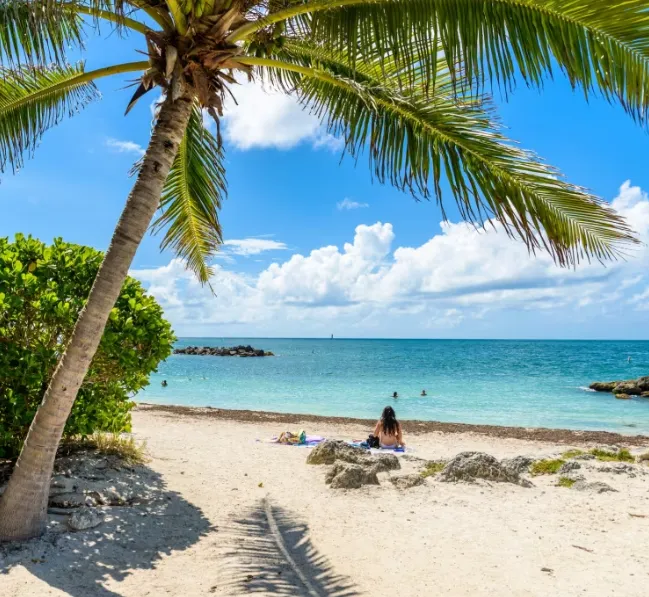
Key West’s reputation for being one of the warmest places in the United States is well-earned. As the southernmost point in the U.S., it enjoys nearly 260 sunny days per year, with temperatures typically ranging between 65°F and 89°F. The island’s warm climate is complemented by some of the warmest ocean waters in the country, making it a prime destination for beach lovers and water sports enthusiasts.
Key West’s geographic location also offers something unique: it sits next to the only living coral barrier reef in the United States, a breathtaking ecosystem that spans 350 miles from the Dry Tortugas to the St. Lucie Inlet. The reef is home to an incredible diversity of marine life, and its protected waters make Key West a popular spot for snorkeling and diving.
Cultural Crossroads: Proximity to Cuba
Key West is closer to Cuba than Miami, which is just one of the many interesting aspects of the island’s culture. The island is only about 95 miles from Havana, and this proximity has shaped Key West’s identity in many ways. Over the years, both the people and the culture of Key West have been deeply influenced by Cuba, from the island’s food and architecture to its music and language.
Ernest Hemingway’s Key West Legacy
Perhaps one of the most famous residents of Key West was author Ernest Hemingway, who lived on the island during the 1930s and 1940s. Hemingway’s home is now a popular museum, and visitors can explore the house, admire its stunning architecture, and even meet the famous six-toed cats that still reside there, descendants of Hemingway’s own pet, Snow White.
Hemingway’s influence on Key West is profound, and many of the island’s cultural events celebrate his legacy. His residence in the city, combined with his love for fishing and local taverns, helped to create the distinctive, bohemian atmosphere that continues to draw visitors today.
Famous Visitors and Locals
Key West’s small size (population 26,000) belies its cultural significance. Over the years, many notable figures have called the island home or spent time here. These include the likes of authors Judy Blume and Tennessee Williams, singer Jimmy Buffett, and even President Harry S. Truman, who used a local home as his winter White House.
Another part of Key West’s appeal is its vibrant music scene, with Buffett leading the way. Moving to Key West in the early ’70s, Buffett’s carefree, tropical-themed lifestyle became synonymous with the island. His songs, like “Margaritaville,” helped cement Key West’s reputation as a haven for those seeking fun, relaxation, and adventure.
Key West’s Iconic Foods
Key Lime Pie, the island’s beloved dessert, is another key element of Key West’s identity. While its exact origins are disputed, many trace the pie’s creation back to the late 1800s when local fishermen began mixing condensed milk with lime juice to create a simple and delicious treat. Over time, the recipe evolved into the iconic Key Lime Pie, which is now a must-try delicacy in the city.
Chickens, Festivals, and Unique Attractions
One of the most endearing sights in Key West is the wandering chickens. These free-roaming birds are descendants of the original chickens raised by early settlers. Despite efforts to control their population, the birds remain an integral part of the island’s quirky charm.
Key West is also known for its lively celebrations. The Conch Republic Independence Celebration, held every April, commemorates the island’s humorous declaration of independence from the United States in 1982. This unique festival, along with others like Hemingway Days and Fantasy Fest, reflects the island’s love of fun and its embrace of individuality.
Another notable feature of the island is its rich history, displayed in several historic buildings and landmarks. From the Audubon House and Tropical Gardens to the Mel Fisher Maritime Museum, Key West offers visitors a chance to explore the past through beautifully preserved sites. The Truman Little White House, once used by President Truman, is a particularly popular stop, offering insights into both the island’s and the nation’s history.
Key West’s Fishing Legacy
Fishing has long been a vital part of Key West’s identity. The island’s location in the Florida Straits makes it a prime spot for anglers, and sport fishing remains one of the island’s most popular activities. Hemingway himself was a dedicated fisherman, and today, visitors can fish for everything from tarpon to marlin, making Key West a paradise for both amateur and seasoned anglers alike.
The Enduring Spirit of the Conch Republic
Key West’s colorful history, characterized by independence and a spirit of rebellion, culminated in the creation of the Conch Republic in 1982. In response to a border checkpoint that disrupted traffic to and from the island, locals jokingly declared their independence. The name “Conch Republic” has since become a symbol of the island’s unique identity, representing its fiercely independent residents.
Conclusion
Key West’s history is as rich and vibrant as its sunsets. The island has seen countless adventures, challenges, and celebrations over the years, and its quirky, free-spirited nature is reflected in every corner. Whether you’re visiting to explore its historic sites, sample its iconic foods, or simply soak up the sun, Key West offers a mix of charm, mystery, and beauty that’s hard to find anywhere else. So, on your next visit, make sure to delve into the island’s storied past and enjoy the fascinating blend of culture, history, and fun that has made Key West one of America’s most beloved destinations.