Pro Tips for Creating Stunning Professional Headshots
A professional headshot is more than just a photo; it’s your chance to make a strong first impression. Whether it’s for a LinkedIn profile, business card, or company website, a well-crafted headshot can convey confidence, professionalism, and personality. Whether you’re photographing a corporate executive or a friend, mastering the art of headshot photography can elevate your work. Here are key tips to help you take great professional headshots every time.
Why Professional Headshots Matter
In today’s visual world, a powerful headshot is essential. It’s often the first thing clients, employers, or business partners see, and it says a lot about you. A strong headshot can communicate professionalism and authenticity, while also highlighting the subject’s personality.
A well-executed headshot gives you the chance to capture more than just a person’s face—it reflects who they are and what they stand for. Whether you’re photographing a business executive or a creative entrepreneur, a good headshot will showcase their best attributes and make them look approachable.
Choosing the Right Background for Your Headshot
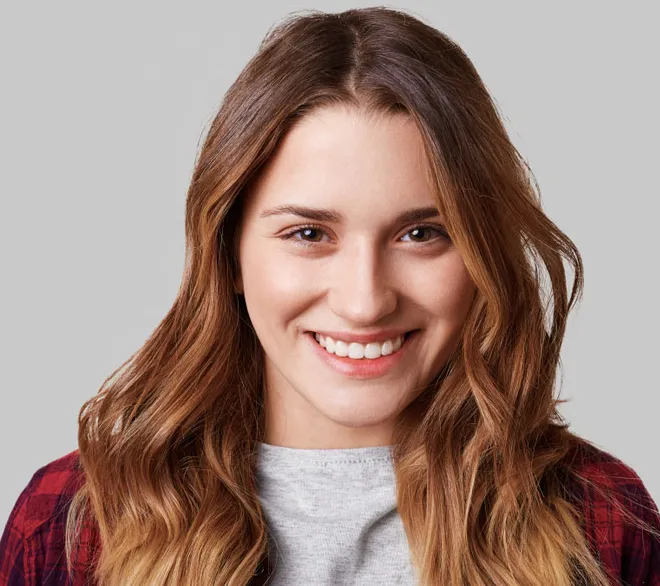
The background plays a crucial role in the overall feel of your headshot. Classic choices for a timeless, professional look include neutral tones like white or gray. These colors give the photo a clean and polished look, making them ideal for corporate settings. However, for personal branding or creative industries, a unique background color—like blue, yellow, or pink—can help the subject stand out.
When using a colorful background, make sure it aligns with the subject’s personal or professional brand. For example, a blue background works well for creative brands, while a gray or white background is more fitting for a corporate look.
Regardless of the background color, always position your subject a few feet away from it to avoid distracting creases or blemishes. A bit of space creates a natural depth and makes the subject stand out.
Lighting: The Heart of Great Headshots
Good lighting is non-negotiable in headshot photography. Poor lighting can result in unflattering shadows, harsh glares, or an unnatural skin tone. To achieve the best lighting, aim for soft, even coverage across your subject’s face. Position your light source slightly above eye level for the most flattering effect.
If you notice harsh shadows on your subject’s face, a simple reflector can help. Reflectors bounce light back onto the subject, filling in dark spots without creating additional harsh shadows. When shooting outdoors, avoid direct sunlight as it can cause strong, unappealing shadows. Instead, seek shaded areas or use a diffuser to soften the light.
Mastering White Balance
White balance ensures that the colors in your image are accurate and true to life. If your white balance is off, your subject’s skin tone may appear unnatural—either too warm (yellow) or too cool (blue). Always check your white balance before taking a headshot to avoid color casts that can ruin the look of the photo.
You can set the white balance manually based on the light source or use a gray card to fine-tune it during the shoot. This simple tool allows you to adjust your camera’s settings for the most accurate colors, ensuring your headshots have natural, flattering tones.
Framing and Composition
A professional headshot is typically framed from the chest up, with the face and eyes as the main focus. This helps to highlight the subject’s expressions and personality. Whether you go for a classic headshot or a more dynamic ¾ body shot, remember that your subject should occupy about two-thirds of the vertical space in the frame.
For horizontal shots, the rule of thirds is a great guide. Place the subject off-center to create visual interest and avoid a stiff, static composition. Always focus on the eyes, as they are the most expressive part of the face and can convey a wealth of emotions.
Expression and Posing
The expression on your subject’s face should reflect their personality and the message they want to convey. A confident, approachable smile works for most professional headshots, but if the subject wants a more serious or contemplative look, that’s fine too. Keep the poses simple and natural—after all, the focus should be on the face.
To make your subject feel more comfortable, try having them turn their body slightly to one side. This not only flatters their figure but also adds a sense of dynamism to the photo. Encourage natural poses by making your subject feel at ease during the shoot.
Clothing Choices
Clothing plays a big role in headshot photography. It should align with the subject’s professional or personal brand and avoid being distracting. For most headshots, business attire is the go-to choice. However, creative professionals or entrepreneurs might opt for a more relaxed or casual look to express their personality.
Avoid clothing with loud patterns, neon colors, or anything too oversized, as these can take attention away from the face. It’s a good idea to discuss clothing options with your subject beforehand so they can come prepared with multiple choices. Neutral tones tend to work well, while bold colors can be used strategically to make the subject stand out.
Conclusion
Creating a great headshot involves more than just pressing the shutter button. It requires careful attention to lighting, background, framing, expression, and clothing. By keeping these elements in mind, you can create headshots that truly capture your subject’s personality and brand.
With these tips, you’ll be well on your way to taking headshots that make a lasting impression. Whether for business, personal use, or social media, a well-executed headshot is a powerful tool for anyone looking to present their best self.