How to Find and Develop Your Unique Photography Style
Finding your unique photography style is one of the most rewarding aspects of your journey as a photographer. While mastering technical skills like aperture and shutter speed is important, your style defines the emotional impact of your work and makes your photos stand out in a crowded visual world. Whether you’re a hobbyist or a professional photographer, discovering your style can make your work instantly recognizable and relatable. In this post, we’ll explore how to uncover and develop a style that resonates with you and your audience.
Why Developing a Unique Style Matters
In today’s world, where everyone carries a smartphone and considers themselves a photographer, standing out is more important than ever. Your personal photography style is what sets you apart and helps your work become recognizable to others. It’s not just about taking good photos; it’s about taking them in a way that reflects your personality and point of view.
Over time, I came to realize that having a signature style is crucial. At first, I struggled to identify the kind of work I wanted to be known for. But once I found my voice as a photographer, I started to see that my images were distinct and appealing. That’s the moment when you know you’ve developed a unique style: people can recognize your work simply by looking at a set of photos.
Key Elements of a Unique Photography Style
Your style is a blend of many factors, including:
- Lighting: The way you choose to light your subjects will heavily influence the mood of your photos.
- Composition: The way you frame your subjects, arrange elements in the shot, and lead the viewer’s eye.
- Colors & Tones: The colors you emphasize and how you process your images to create a certain feeling or atmosphere.
- Camera Angles & Perspectives: Whether you shoot from above, below, or at eye level, your choice of angle adds a personal touch.
- Techniques: From specific focal lengths to post-processing methods, your unique techniques give your photos their signature look.
Together, these elements form the essence of your style. It’s how you capture and present the world around you, and it allows you to tell stories that are distinctly yours.
My Journey to Finding My Style
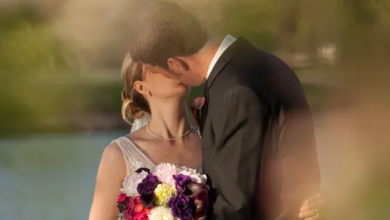
As a wedding photographer based in Malta, I was initially drawn to capturing the picturesque beauty of my surroundings. However, after observing many talented photographers using similar styles, I realized I needed to find something that would set my work apart.
Instead of the traditionally posed wedding shots, I shifted my focus to capturing raw, unscripted moments—the emotions, the laughter, and the tears of the day. I wanted my photos to tell a story that felt real and organic, not staged.
Additionally, I brought my background in engineering into my work, focusing on geometric compositions and creative use of shapes. This love for lines and layers helped me bring a unique, structured feel to my portraits.
Developing Your Style: A Practical Approach
Now, you might be wondering how to implement a style like this in your own work. The key is to make deliberate choices about your equipment, approach, and techniques:
- Equipment: I made a conscious decision to exclusively use prime lenses. They helped me simplify my photography and forced me to engage with the moment, rather than relying on a zoom lens. This helped me stay present and made each shot feel intentional.
- Silent Shutter: Using a mirrorless camera with a silent shutter allowed me to work discreetly, capturing moments as they unfolded naturally. This approach suited my documentary-style photography, where spontaneity is key.
- Experiment with Tools: I also like to carry a prism with me, which allows me to create unique effects in my portraits. It’s these small tools and techniques that can help make your photos stand out.
- Find Inspiration: I studied the works of documentary photographers and visual storytellers whose styles resonated with me. By understanding their approaches and adapting them, I was able to develop my own voice.
- Self-Reflection: To find your style, ask yourself what kinds of images you’re naturally drawn to. What emotions do you want to evoke in your audience? Your style is an extension of your personality, so allow it to evolve naturally.
The Editing Process
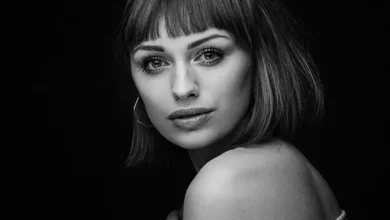
Your editing style is just as important as your shooting technique. I prefer sharp images with high contrast, deep shadows, and crisp whites. I also enjoy using black-and-white or sepia tones to give some images an antique or nostalgic feel.
In post-processing, don’t be afraid to experiment with different edits to emphasize your style. For example, I often enhance the natural light in my photos or add contrast to create mood and depth. Over time, you’ll begin to recognize a pattern in the way you process your images, further reinforcing your style.
Building Connections with Your Audience
One of the most rewarding aspects of developing a unique style is the audience it attracts. By staying true to your vision, you’ll naturally draw in people who connect with your work. For example, my style has resonated with couples who want more than just traditional wedding photos; they want a narrative that reflects their personal story.
Evolving with Your Style
Remember, your photography style isn’t static. As you grow as a photographer and as a person, your style will evolve. For instance, over the years, my work has shifted between using very long telephoto lenses to wide-angle lenses, each offering different perspectives. Your style is always changing, and that’s part of the journey.
Final Thoughts
Finding and developing your photography style is an ongoing process of experimentation and self-discovery. It’s about embracing your individuality and using your unique perspective to capture the world in a way that only you can.
So, start by exploring what inspires you, experiment with different techniques, and don’t be afraid to break away from the norm. Your style is a reflection of who you are, and it’s the most authentic way to tell your story through photography.