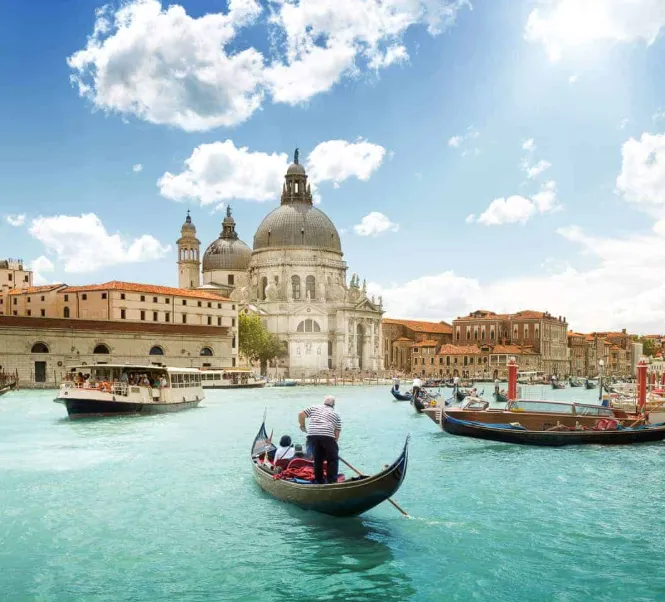
First-Time Traveler’s Guide to Italy: 7 Essential Tips
Planning your first trip to Italy and feeling a bit overwhelmed by all the information? You’re not alone! Italy is a dream destination, with rich history, stunning landscapes, amazing food, and vibrant culture. However, with so much to explore, it can be tricky to know where to start. To help you make the most of your Italian adventure, here are 7 essential tips every first-time visitor should know.
Research Your Destinations
Italy is a vast country with diverse regions, each offering something unique. You won’t be able to see everything on your first trip, so it’s important to choose your destinations wisely. Northern and Central Italy, with cities like Florence, Milan, and Venice, are known for their Renaissance architecture, world-class museums, and art. Meanwhile, Southern Italy offers a more rustic charm with breathtaking coastlines, authentic food, and less touristy towns like Naples, Palermo, and Lecce.
Remember, the climate and geography can vary significantly, so plan accordingly. You could be lounging on sunny southern beaches one day and facing snowfall in the northern Alps the next. Make sure to research what interests you most and tailor your trip to fit your preferences.
Avoid the Summer Rush
While summer might seem like the ideal time to visit Italy, the heat and crowds can make the experience less enjoyable. In cities like Rome, Florence, and Venice, the summer months bring intense heat, humidity, and high tourist traffic. During this time, it’s easy to spend more time in air-conditioned cafes than actually exploring.
Instead, plan your visit in spring (April-May) or fall (September-October), when the weather is milder, the crowds are smaller, and accommodation prices are lower. These shoulder seasons are the best times to explore Italy without the hustle and bustle of peak tourist season.
Venture Beyond the Tourist Hotspots
Italy’s most famous cities—Rome, Venice, and Florence—are undeniably beautiful, but the country has so much more to offer. Smaller cities and towns like Bologna, Viterbo, and Matera are rich in culture and history, yet far less crowded. Exploring these lesser-known gems will give you a more authentic Italian experience and offer a quieter, more affordable alternative.
While visiting the major cities, take some time to wander off the beaten path. Explore hidden alleyways, visit lesser-known museums, and dive into the charm of small villages. If you’re up for adventure, the Abruzzo region offers an excellent mix of nature and traditional Italian life.
Learn Basic Italian Phrases
Although many Italians speak English, especially in tourist areas, knowing a few basic Italian phrases can go a long way in enhancing your experience. Simple phrases like “Grazie” (thank you), “Per favore” (please), and “Quanto costa?” (How much does it cost?) will make communication smoother and show respect for the local culture.
Learning a bit of Italian also helps when visiting more remote regions, where fewer people may speak English. Locals will appreciate your efforts, and you may even get a warm smile in return.
Pack Light
Italy’s cities are known for their narrow, cobblestone streets, and carrying a heavy suitcase around can quickly become a hassle. To make your travels more enjoyable, pack as lightly as possible, especially if you plan on using public transport. A small backpack or carry-on will make it easier to move around and navigate crowded areas.
Keep in mind that Uber doesn’t operate in most parts of Italy, and taxis can be expensive and hard to find. Public transport is efficient and affordable, but a light bag will give you the flexibility to hop on buses and trains with ease.
Dress Comfortably
Italy’s streets, especially in older towns and cities, can be uneven and rough. Make sure to pack comfortable shoes for walking. While stylish attire is common in Italy, comfort should be your priority when exploring the sights. Opt for breathable clothing, especially if you’re visiting in the warmer months, but also pack layers in case of unpredictable weather.
If you plan on visiting religious sites, remember to dress modestly—this means covering your shoulders and knees when entering churches and cathedrals.
Take Your Time
In Italy, the pace of life is all about enjoying the moment. Don’t rush through your itinerary—take time to savor each experience. Whether it’s enjoying a leisurely meal, sipping espresso at a café, or exploring a quiet village, Italy is best enjoyed slowly. Leave space in your schedule for spontaneous discoveries, and remember that some of the most rewarding moments come from simply wandering and getting lost.
Final Thoughts
Italy is a country that captures the heart of every traveler, offering an unforgettable blend of history, culture, and beauty. By following these tips, you’ll ensure that your first visit to Italy is as enjoyable and stress-free as possible. So pack your bags, embrace the Italian way of life, and get ready for an adventure you’ll never forget!