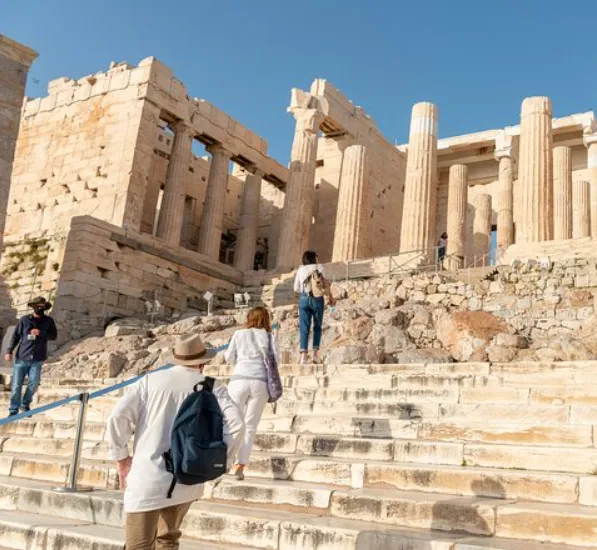
Exploring the Ancient Agora of Athens: A Journey Through Greek History
During our recent trip to Athens, we had the privilege of exploring the Ancient Agora, a historically rich site that holds a special place in the heart of Greek culture. Athens, a city known for its iconic landmarks and ancient ruins, offers visitors a glimpse into the past, and the Agora is one of its most remarkable locations.
What is the Ancient Agora?
The Ancient Agora, sometimes referred to as the Greek Agora, is an expansive archaeological site that once served as the vibrant center of Athenian life. Situated just a short walk from the Parthenon and the Acropolis, this 30-acre open-air museum features a collection of ancient structures, temples, and statues that reveal the essence of classical Greece. It was here that politics, commerce, and philosophy thrived, where notable figures like Socrates and Plato engaged in discussions that laid the foundation for modern democracy.
A Walk Through History
Visiting the Agora was one of the highlights of our stay in Athens. Unlike the more crowded and well-known tourist spots, the Agora offered a peaceful retreat with its open spaces, grassy fields, and scattered ruins. It felt like we were stepping into a time machine, walking where ancient Athenians once gathered to trade goods, debate politics, and worship their gods.
The site is expansive, making it easy to explore at your own pace, and its proximity to other key attractions, such as the Acropolis, makes it an ideal addition to any Athenian itinerary. We visited the Agora after a relaxing lunch in the nearby Monastiraki district and were able to enjoy the peaceful atmosphere of the site, where we wandered freely among the ruins, admiring the grandeur of the ancient buildings.
What to Expect at the Ancient Agora
The Agora is an excellent place for families to visit, offering ample space for kids to run around while adults can take in the history and architecture. There’s no need for a guided tour, and you can explore the site at your leisure. One of the highlights is the Stoa of Attalos, a grand structure that has been carefully reconstructed and now houses the Museum of the Ancient Agora. Here, you can learn about the daily life of ancient Athenians and view a collection of artifacts, including pottery, sculptures, and tools.
The Temple of Hephaestus, one of the best-preserved temples in Greece, is another must-see. Situated on the northern edge of the Agora, this Doric temple is dedicated to the god of metallurgy and offers a striking example of ancient Greek architecture.
Visiting Tips
When planning your visit to the Ancient Agora, staying in a central location near the Acropolis is ideal. We chose to stay in the Plaka district, which is only a 10-minute walk from the Agora and other major attractions. The Plaka area is charming, with narrow streets, traditional shops, and plenty of Greek tavernas offering delicious food. It’s also a great spot to relax after a day of sightseeing.
The Ancient Agora is located just to the north of the Acropolis, and it takes only about 10 minutes to walk from one to the other. We recommend starting your day early by visiting the Acropolis to avoid the crowds, and then head down to the Agora for a more laid-back experience.
Things to See in the Agora
As you wander through the Agora, there are several key sites to explore:
- Stoa of Attalos: This impressive structure, originally built in the 2nd century BCE, was reconstructed in the 1950s and now houses the Museum of the Ancient Agora. It’s a perfect place to gain insight into Athenian life.
- Temple of Hephaestus: A remarkable example of ancient Greek architecture, this well-preserved temple is dedicated to the god of metallurgy and stands proudly over the Agora.
- Altar of the Twelve Gods: Once the center of Athens, this altar was used as a reference point for distances in the city and played a significant role in Athenian religious life.
- Bouleuterion and Metroon: These buildings served as the heart of Athenian government, housing the city council and official records.
- Odeon of Agrippa: A grand concert hall that dates back to the 1st century BCE, showcasing the importance of music and performance in ancient Athens.
- Byzantine Church of the Holy Apostles: A later addition to the Agora, this church dates back to the 10th century AD and provides a fascinating glimpse into the Byzantine period.
The Museum of the Ancient Agora
One of the highlights of our visit was the Museum of the Ancient Agora, located inside the Stoa of Attalos. The museum displays an array of artifacts that offer a deep dive into Athenian life, from everyday objects like pottery and tools to more unique items such as a voting machine and miniature sculptures. The museum’s exhibits provide an excellent complement to your visit to the Agora, allowing you to see how the ancient city came to life.
Admission and Hours
The entrance fee for the Ancient Agora is €10 during the summer months (April to October) and €5 during the winter (November to March). A combined ticket that includes access to multiple archaeological sites, including the Acropolis and Roman Agora, is also available. The site is open most of the year, with seasonal hours: from 8 a.m. to 8 p.m. in summer, and 8 a.m. to 5 p.m. in winter. Be sure to check for holiday closures before your visit.
Planning Your Visit
The Agora is an outdoor site, so it’s important to dress accordingly. Comfortable shoes are a must, as you’ll be walking a lot, and bring a bottle of water to stay hydrated. A map can also be helpful to ensure you don’t miss any of the key areas, though it’s easy to navigate the site as you go.
A Must-See Destination in Athens
Visiting the Ancient Agora is a must for anyone interested in the history of Athens and the roots of democracy. Walking through the same grounds that famous philosophers and politicians once walked is an experience like no other. Whether you’re a history enthusiast or simply looking for a peaceful spot to explore, the Agora offers a fascinating journey through ancient Greece.
If you’re planning a trip to Athens, make sure the Ancient Agora is on your itinerary. It’s a chance to connect with the past and experience the grandeur of ancient Athens in a way that feels both personal and awe-inspiring.