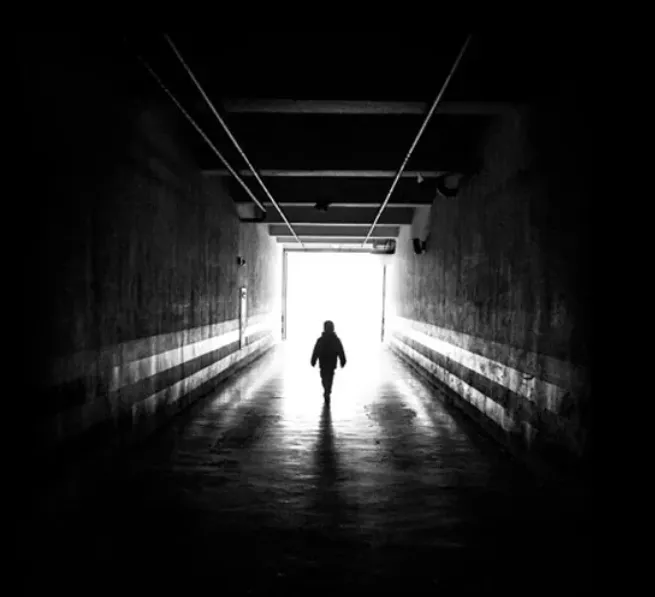
3 Essential Tips for Crafting Stunning Black and White Photos
When it comes to black and white photography, the way you approach the process is far more crucial than the equipment you use or the software you employ for conversion. Shifting your mindset is key if you want to capture truly remarkable monochrome images.
Here are three essential strategies to help you improve your black and white photography.
1. Choose Your Best Shots for Black and White Conversion
One common misconception among photographers is that converting mediocre photos to black and white will somehow improve them. However, this is the wrong approach. Rather than trying to salvage weak images, focus on your strongest shots and transform them into beautiful black and white photographs.
Take the time to carefully edit your top images, ensuring you put in the effort they deserve. Your best photos warrant this level of care and attention. If you’re unsure about how to properly convert to black and white, consider exploring guides or tutorials specifically focused on this process.
2. Think Like an Artist
Fine art photography isn’t just about creating images; it’s about creating lasting works, whether through prints or photo books. Unlike digital platforms where you can share unlimited images, prints are tangible and finite. You can only display a limited number of prints in your home, which means they should be your best work.
This mindset encourages you to slow down and focus on the details—composition, light, and subject matter. Instead of snapping a single shot and moving on, ask yourself how you can make each photograph even better. Would a different lens or perspective improve the shot? What if you returned at a different time of day to capture the scene in different light?
Taking the time to carefully consider these factors will not only enhance your black and white images but will also elevate your photography in general.
3. Build a Connection with Your Subject
Exceptional black and white photographers know how to capture deep emotion, connection, and expression. Monochrome images excel at highlighting the essence of a subject, whether it’s a person, a landscape, or an object.
For instance, when photographing portraits, black and white can help you convey the subject’s true character. The timeless quality of black and white portraits reveals emotions and stories that might not be as apparent in color photography.
This concept applies to more than just people. Black and white photography can reveal intricate textures and shapes in objects, making the essence of the subject more apparent. Whether you’re capturing a person’s thoughtful expression or the subtle details of a landscape, monochrome photography allows you to explore a deeper level of connection.
Think about a time when you stumbled upon a scene or object that resonated with you. The beauty of black and white photography is that it helps you uncover layers of meaning in your subjects, allowing you to portray them in a unique and evocative way.
In Conclusion
By following these three tips, you can begin to enhance your black and white photography. Focus on converting only your best images, take a more thoughtful and artistic approach to your work, and always seek a deeper connection with your subjects. These steps will help you produce more powerful and compelling monochrome photographs.