Improving Your Photo Composition: Key Tips for Stunning Images
Composition is a crucial aspect of photography that can make or break an image. Whether you’re a beginner or a seasoned photographer, improving how you arrange elements within your frame can have a significant impact on your photos. The good news is, enhancing your composition doesn’t require additional gear – just a bit of practice and mindfulness.
Why Composition Matters
Great photography is not just about capturing a moment, it’s about capturing it in a way that draws the viewer’s attention to the right elements. Understanding how to effectively compose your images is a skill that can be honed, and once mastered, it can elevate your photography to new heights. Here are some quick and easy tips to improve your photo composition starting today.
9 Composition Techniques for Better Photos
- Rule of Thirds
This classic rule divides your image into a 3×3 grid, guiding you to place key elements along the lines or at the intersections. It adds balance and interest to your shots. - Leading Lines
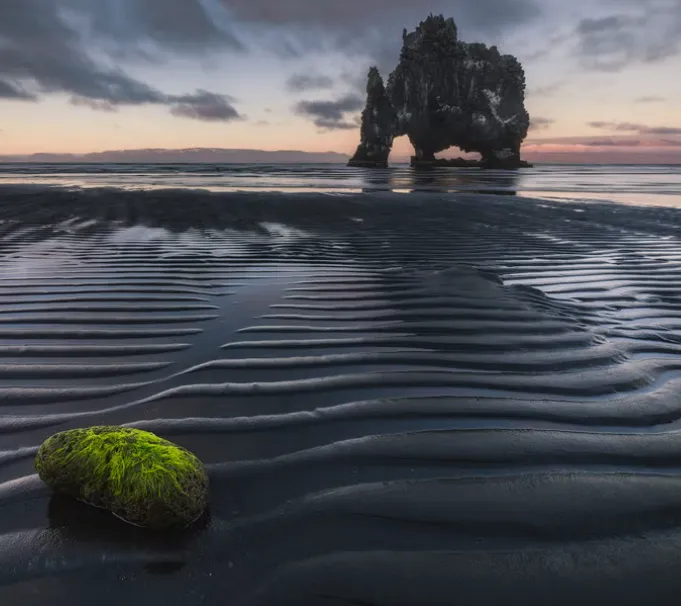
Use natural or man-made lines to lead the viewer’s eye toward the subject, creating depth and drawing attention to focal points. - Diagonals
Incorporating diagonal lines can add dynamic energy to your image. They help create a sense of movement and perspective. - Framing
Use objects in the scene to create a frame around the subject, such as doorways, windows, or trees. This can add depth and draw focus to the main subject. - Figure to Ground
Contrast the subject with a background that enhances its prominence. This technique works well when photographing subjects against clear or minimal backdrops. - Fill the Frame
Don’t be afraid to get close to your subject and fill the frame. This ensures that the viewer’s attention is on what matters, eliminating distractions. - Center the Dominant Eye
When photographing people or animals, positioning the dominant eye in the center of the frame ensures the subject feels engaged and direct. - Patterns and Repetition
Look for repeating patterns in your scene. These can create visually striking compositions and guide the viewer’s eye through the image. - Symmetry
Symmetrical compositions, whether in nature or architecture, create harmony and balance, often resulting in striking and visually appealing photos.
Practice: Shoot Around the Subject
Mike Browne, a photography teacher, often recommends a technique called “Shoot Around the Subject.” It encourages you to explore your surroundings and capture multiple images of the same subject from different angles. This is especially useful when you’re in a less-than-inspiring location or working with a subject that might not seem interesting at first. By changing your perspective, you can uncover fresh, captivating ways to frame your shot.
Tips for Capturing Stunning Compositions in Mundane Locations
If you feel stuck in an uninspiring location, try applying the “squinting your eyes” technique, which can help you see things differently and identify the most interesting parts of a scene. Manny Ortiz, a photographer, takes this even further by intentionally using manual focus to blur the scene before adding a subject into the composition, offering a unique approach to discovering interesting backgrounds.
This is a technique that forces you to see things from a new perspective, opening up possibilities you might otherwise overlook. It’s all about being creative and experimenting with what you have.
Putting It All into Action
Now that you have these tips, it’s time to put them into practice. Here’s my challenge for you:
- Pick one composition tip from the list above.
- Head out with your camera and spend at least an hour practicing that tip.
- Keep it simple – focus on just that one idea without distractions.
- Repeat the process, picking a new tip each time, until you’ve tried them all.
- Afterward, review your images and see how much your composition has improved.
By dedicating time to practicing each technique, you’ll start to see the results in your photos. Your ability to notice and frame compelling compositions will grow, and over time, you’ll develop a unique photographic style that reflects your personal vision.
Get out there and start practicing – the more you experiment, the better your compositions will become!