15 Simple and Creative Garden Photography Ideas
Garden photography offers endless creative possibilities, whether you’re capturing the beauty of a sprawling backyard or a small window garden. With these 15 tips, you’ll be able to transform any garden scene into a stunning photograph, even if it’s off-season or the garden is small. Don’t worry if you don’t have a large garden; you can always visit a local greenhouse, farm, or conservatory to get inspired.
Here’s how you can elevate your garden photography skills and make your photos stand out.
1. Embrace Texture
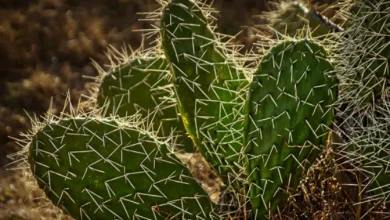
Pay attention to textures when you’re shooting in the garden. The quality and direction of the light hitting a subject can make a big difference. Side lighting, in particular, can highlight textures like the veins of leaves or the surface of plants. Move around your subject and take shots from different angles to see how the light plays. Experiment with both hard and soft light to see how it changes the texture.
2. Utilize Backlighting
Backlighting can make foliage and flowers glow, giving them a magical, ethereal look. Position yourself with the light behind the subject to create stunning effects that highlight both color and texture. It adds depth and a glowing quality to your images, making them pop.
3. Change Your Camera Angle
One of the best ways to discover new compositions is to experiment with different perspectives. Get down low, look up at your subject, or shoot from above. Tilt your camera, or try different viewpoints to capture the full essence of the scene. This helps you find unique angles that make the subject stand out in your photos.
4. Get Closer to Your Subject
Often, photos lose impact because the subject is too far away. To capture the details, don’t be afraid to get in close. Move in until the subject fills the frame and you see more of the intricate details. This technique simplifies your composition and focuses on what matters.
5. Dive into Macro Photography
Once you’ve gotten closer, dive into macro photography. This allows you to explore the tiny details of the garden that are often overlooked, such as the texture of petals or the intricate patterns on leaves. You don’t need an expensive macro lens; you can use a simple extension tube to turn your regular lens into a macro tool.
6. Capture Non-Plant Objects
Gardens are more than just plants. Look around for other elements that contribute to the garden’s atmosphere. Old tools, weathered fences, or even a rusty bicycle can make for compelling photographic subjects. These items add variety and texture to your garden photography portfolio.
7. Experiment with Black and White Photography
Sometimes, stripping away color can bring out the raw beauty of your garden subjects. Black and white photography focuses on contrast, texture, and light, which can reveal a whole new dimension to your garden shots. Look for scenes with high contrast—light against dark—or textures that will pop when converted to black and white.
8. Capture the First Frost
If you’re in a colder climate, take advantage of the first frost. Early morning frost transforms leaves and flowers into delicate, icy sculptures. The soft light of early morning adds sparkle and texture to these frozen elements, turning them into magical subjects for your photos.
9. Focus on the Birds and Bees
Insects and birds are essential parts of a garden ecosystem. Capture bees buzzing around flowers or birds perched on branches. In late autumn, when insects are slower, you might have the chance to capture more detailed shots of them. A telephoto lens helps with bird photography, allowing you to keep a safe distance.
10. Experiment with Aperture
Don’t just stick to one aperture setting—experiment with different ones to see how they affect the depth of field and focus in your photos. A wider aperture (f/1.4 to f/2.8) blurs the background, while a smaller aperture (f/8 or higher) keeps more of the scene in focus. Adjusting your aperture can dramatically change the look and feel of your images.
11. Create Bokeh
Bokeh, or the blurred background effect, adds a dreamy, artistic touch to your garden photos. To create bokeh, use a wide aperture, like f/1.4, and focus on a subject while ensuring the background is full of light spots. The further away the background elements are, the more pronounced the bokeh effect will be.
12. Look Up for Unique Perspectives
Don’t forget to look up! Sometimes, the sky can provide an interesting backdrop for your garden shots. Point your camera upwards to photograph the plants reaching toward the sky or capture interesting cloud patterns. This simple change in angle can bring a fresh perspective to your garden photography.
13. Photograph the Dried Plants
Autumn and winter bring the beauty of dried leaves, flowers, and plants. These can make for striking photographic subjects. By lowering the color saturation or applying a vintage filter, you can create compelling, artistic images of plants that are no longer in full bloom. They tell a story of change and transition.
14. Shoot During Dusk
Dusk is a great time for capturing the changing light in the garden. The soft blue tones of the “blue hour” can create a mystical atmosphere. If you have solar-powered garden lights, they can add an extra glow to your photos as night falls. A tripod will help you keep the camera steady and capture the beauty of the evening.
15. Try HDR Photography
For scenes with both bright highlights and deep shadows, HDR (High Dynamic Range) photography can help capture all the details. By taking multiple exposures and blending them together, HDR allows you to bring out the full range of light and shadow in a single image. This technique is especially useful for evening or night shots.
Final Thoughts
Garden photography is about more than just plants; it’s about capturing the essence of the environment. Whether you’re focusing on the delicate textures of a leaf or the quiet beauty of a forgotten object, these tips will help you create compelling, creative images. With a little patience and experimentation, you can transform any garden into a visual masterpiece.