Lifestyle Photography Tips for Capturing Authentic Moments
Lifestyle photography is all about capturing the true essence of everyday life. It’s about portraying real moments, emotions, and stories as they unfold naturally. This genre isn’t focused on posing or studio setups but rather on candid, unposed images that reveal something genuine about people and their environments. Whether you’re just starting or looking to enhance your skills, these tips will guide you in capturing meaningful lifestyle photos.
Why Lifestyle Photography?
I’ve been passionate about lifestyle photography for years. Having worked as a leading Microstock photographer, I’ve learned that the power of storytelling through real moments often resonates more than posed, artificial images. This style of photography, focusing on candid, natural moments, has seen an increasing demand, especially as smartphones and social media have shaped how people view images.
Natural, unfiltered photos, those that capture a real-life atmosphere, are often the most popular. These images tend to highlight the beauty of simplicity, and today, they are not only in demand for personal projects but also for commercial campaigns.
Equipment Essentials for Lifestyle Photography
To capture authentic lifestyle photos, you don’t need overly complicated gear. A mid-range camera, such as the Canon 5D Mark III, paired with a 50mm prime lens (f/1.4) is perfect for creating soft backgrounds and sharp portraits. A prime lens allows you to blur out the background, keeping the focus on your subject and bringing more attention to details.
Additionally, you won’t often need a tripod for lifestyle shots. The goal is to keep the images dynamic, which is easier to achieve when you’re free to move around and adjust quickly to changing scenes. Work in manual mode to have control over your exposure and aperture. Avoid auto settings and presets like “portrait” or “landscape,” as they limit your creativity and flexibility.
Mastering Natural Light
Natural light is your best friend in lifestyle photography. Avoid the harsh midday sun and instead, seek soft, diffused light, such as that coming through windows or during golden hour. If you’re indoors, window light works wonders, especially if you place your subject near the light source. If shooting outdoors, aim for positions where the light hits your subject from the side or back to create natural volume and shape in your portraits.
On overcast days or indoors, you can use available light like floor lamps, which provide softer illumination compared to overhead lights. Keep the lighting subtle and try to avoid flash as much as possible. The aim is to capture life as it naturally is.
Finding the Right Subjects
Finding subjects for your lifestyle photography doesn’t always mean working with professional models. The key is to photograph interesting people who reflect the true essence of the scene. Whether it’s your friends, family, or someone you meet while out, seek those with expressive faces and natural energy.
When selecting subjects, don’t be afraid to approach people who seem to fit the mood or theme you’re trying to capture. Whether it’s a vendor at a local market or a stranger on the street, often the most compelling photos come from spontaneous encounters. Always ensure you approach them respectfully and ask for permission, especially if you’re photographing candid moments.
Location Matters
Your location plays a huge role in lifestyle photography. You don’t need to shoot in exotic locations; sometimes, the most mundane places offer the best opportunities for powerful photos. Think creatively about where you shoot, whether it’s in a cozy living room, a street corner, or a park. Be resourceful, and don’t be afraid to work with locations that feel authentic and add context to the moment.
If you’re in a city or town, scout for locations that evoke a sense of place. Look for interesting textures, colors, and light that can help tell the story of where you are. With a strong portfolio, you’ll find that some locations may even offer their spaces for free in exchange for photos, allowing you to shoot in stunning settings without paying hefty location fees.
Capturing Emotion and Movement
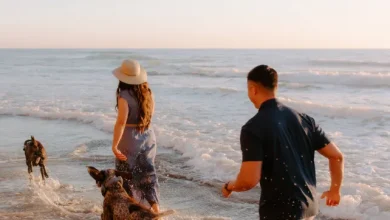
A key element of lifestyle photography is capturing emotions and movement. These images tell stories, whether it’s laughter, excitement, or peaceful moments. To get natural expressions, engage with your subject. Interact with them in a way that makes them feel comfortable, and try to shoot without directing them too much.
Capture the energy of the scene by allowing your subjects to be themselves, whether they’re enjoying a quiet moment or involved in an activity. Movement adds life to your shots—think about how people move, gestures they make, and how they interact with their environment. These are the moments that will evoke emotion in your photos.
Post-Processing to Enhance the Natural Look
While lifestyle photography often relies on capturing moments in real-time, post-processing is still essential. The goal is to enhance, not over-edit, the rawness of the image. Subtle adjustments to contrast, saturation, and sharpness can help elevate the photo while maintaining its authenticity.
For example, in a backlit image, increase the warmth and contrast to bring out the sunlight without losing the natural look. Enhance the clarity to bring more depth to the subject. The key is to keep the editing process light and true to the moment.
Keep Experimenting and Learning
Lifestyle photography, like any form of art, requires continuous exploration. Study the work of photographers and filmmakers, and learn from their compositions, lighting, and storytelling techniques. Watch films known for their cinematography and take note of how light and shadow play a role in the mood of the scenes.
Don’t be afraid to experiment with different styles and trends in photography. Lifestyle photography is constantly evolving, and staying current while maintaining your unique voice will help you remain relevant in the industry.
Conclusion
In lifestyle photography, the goal is to capture life as it happens, in its most natural form. From choosing the right subjects and locations to mastering lighting and post-processing, each step will help you create images that resonate with authenticity. Keep practicing, stay curious, and allow the world around you to inspire your photography.