5 Surprises We Encountered During Our Trip to Croatia in 2025
Croatia quickly became one of our favorite destinations in Europe, offering everything from serene beaches and lively cities to unspoiled natural beauty. However, there were a few unexpected experiences during our two-week trip that caught us off guard. Here’s a look at some of the things that surprised us while traveling in Croatia.
1. Eating Out Can Be Surprisingly Expensive
Croatia is famous for its delicious cuisine, influenced by Italian, Slavic, Greek, and Ottoman flavors. While we were excited to sample the local dishes, we were taken aback by how expensive dining out can be. The cost of eating in Croatia is noticeably higher than other Southern European countries, often comparable to prices in northern Europe, such as Belgium or Germany.
On average, a meal for two can cost around €35 to €40, excluding drinks, appetizers, and dessert. Dining on the islands, especially tourist-heavy spots like Hvar, can be even more expensive—up to €15 more than on the mainland. The price hike is due to the high cost of importing ingredients to the islands, along with the limited number of restaurants, which drives prices higher.
To keep your budget in check, consider booking accommodations with kitchen facilities. We found that preparing our own meals saved us money, and in fact, our apartment rental in Zadar, which included a kitchen, cost less than eating out three times a day.
2. Croatia’s Waters Are Unbelievably Clear
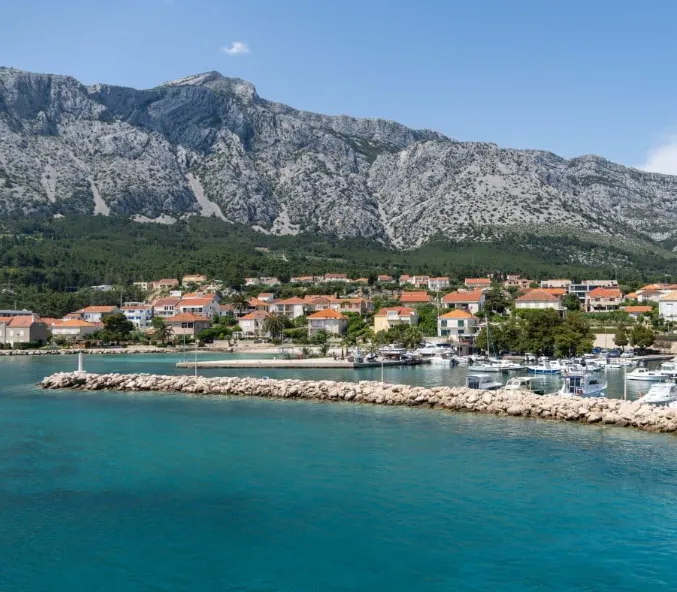
The Adriatic Sea is renowned for its crystal-clear waters, and Croatia certainly lives up to that reputation. We were mesmerized by the stunningly clear seas, particularly on the islands. In places like Zadar, the water is so clean you can swim right off the seaside promenade in the old town.
However, the waters around cities like Šibenik and Split weren’t quite as pristine. In Split, for example, the waterfront area had a distinct unpleasant odor, likely due to natural hot sulphur springs beneath the city. If you’re looking to swim in clean waters, you might have to walk a bit further from the city center to find a better spot.
3. Odd Ticketing Experiences
During our stay, we had two unusual experiences with ticketing at popular tourist sites. First, at Krka National Park near Šibenik, we had booked a ferry ride included in the entrance fee. Unfortunately, the ferry was fully booked, so we decided to walk to the park’s entrance instead. Once we arrived, no one seemed to care about ticket checks—there was no sign of staff, and the entrance felt completely unregulated. It was strange, especially considering the steep entrance fee.
The same thing happened at the Fortica (Španjola) Fortress on Hvar Island. After hiking to the top, we found the ticket booth unattended, and there was no sign of any staff member for the duration of our visit. It’s unclear if this was because we visited during the off-season, but it left us with the feeling that ticketing practices in Croatia can sometimes be a bit unpredictable.
4. Intense Heat, Even in Spring
While the spring weather in Croatia can be unpredictable, with some rainy days, the sun can be surprisingly intense. Even with temperatures around 20°C (70°F), the sun’s heat can catch you off guard, especially near the coast where the wind may disguise its strength. If you plan on being outside for long periods, like hiking or exploring the coast, sunscreen is a must, as well as a hat and plenty of water.
We also found that some of the hiking trails can be quite exposed with little shade, so be prepared for the heat if you plan on walking long distances. It’s a good idea to check the weather forecast and be mindful of the sun’s intensity, particularly on drier trails.
5. Historical Sites Are Often Left Unmaintained
Croatia has a rich history marked by Venetian, Roman, and Byzantine influences, and remnants of this past are scattered throughout the country. However, what struck us was how many of these historical sites are left in disrepair or integrated into modern buildings without much effort to preserve them.
In Zadar’s old town, for example, we saw Venetian ruins that seemed to be neglected, and the ancient Fort Saint Michael on Ugljan Island was a dilapidated ruin, with no safety measures in place. Despite the abandonment and risk, the fortress offered spectacular views over the islands and the sea, making it a fascinating place to explore. Though not always well-maintained, these historical sites are worth visiting for the unique glimpse they offer into Croatia’s past.
Conclusion
Croatia is undoubtedly a beautiful and diverse destination, but it’s important to be prepared for a few surprises along the way. From higher-than-expected dining costs to the pristine clarity of the Adriatic, our trip was full of unexpected discoveries. If you’re planning a visit in the near future, keep these insights in mind to ensure a smooth and enjoyable experience.